


Hawkish Central Banks Meet Crowded Positioning, Strong Markets Face a Tougher Test
Markets enter the week with an increasingly supportive geopolitical backdrop, but one that remains far from secure. Negotiations between the United States and Iran continue to underpin risk appetite despite recurring threats from both sides and the potential for renewed disruption through Lebanon and the Strait of Hormuz. Investors have largely chosen to look through the political noise, once again favouring resilient growth, improving earnings, and the continuing strength of the AI investment cycle.
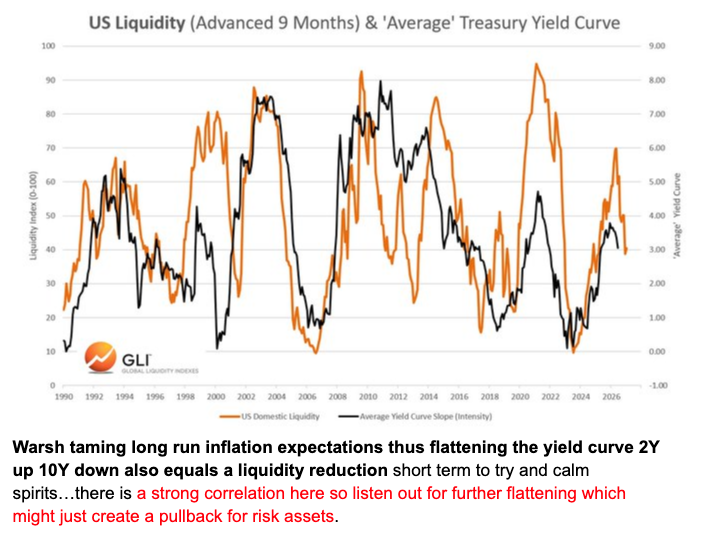
Beneath the surface, however, the environment is becoming more demanding. Central banks have adopted a noticeably more hawkish tone, liquidity conditions are beginning to tighten, and seasonal headwinds are approaching following June's Quadruple Witching. Equities remain firmly supported, but increasingly stretched positioning and narrowing market participation suggest investors may become less forgiving of negative surprises than they have been in recent months.
Market Overview: Hawkish Policy Replaces the Liquidity Tailwind
The dominant theme heading into the week is the market's adjustment to a higher-for-longer interest-rate environment. While the prospect of a lasting U.S.-Iran agreement continues supporting risk sentiment, policymakers are becoming increasingly focused on containing inflation expectations rather than responding to easing energy prices. The combination leaves investors balancing encouraging geopolitical developments against a more restrictive monetary backdrop.
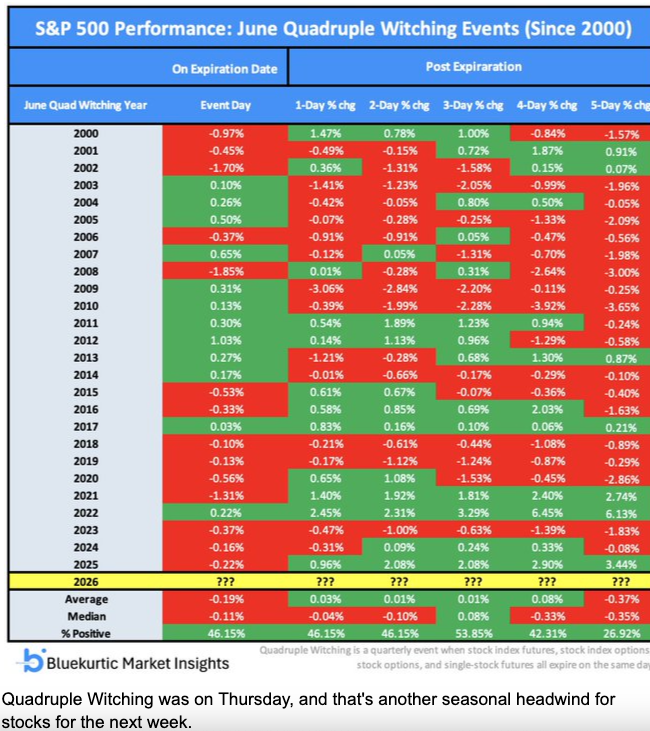
Seasonality is also beginning to attract greater attention. The week following June's Quadruple Witching has historically been one of the weakest periods of the year for equities, while quarter-end portfolio rebalancing may contribute to additional volatility before the typically stronger first half of July.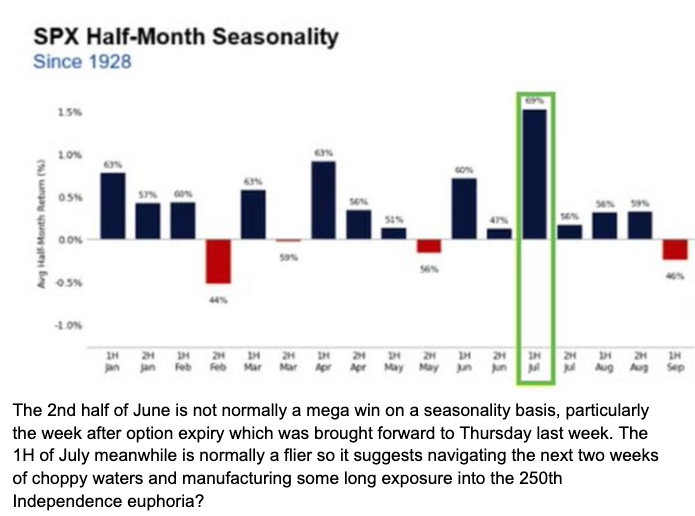
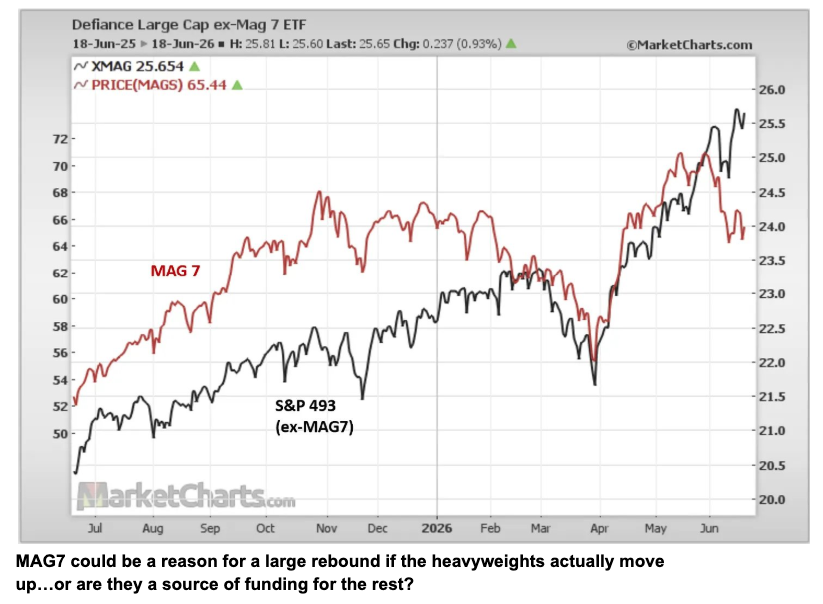
Technology continues to provide the market's strongest leadership despite periodic geopolitical setbacks. Rather than reducing exposure to AI beneficiaries, evidence suggests hedge funds are increasingly using short positions in smaller companies to fund long positions in leading technology names. At the same time, leadership continues broadening beyond the Magnificent Seven as investors rotate across the wider market.
Markets are also beginning to reprice a world shaped by both peace and tighter policy. Forecasts across asset classes continue adjusting to lower geopolitical risk, while expectations surrounding inflation, interest rates, currencies and global growth evolve alongside the new policy landscape.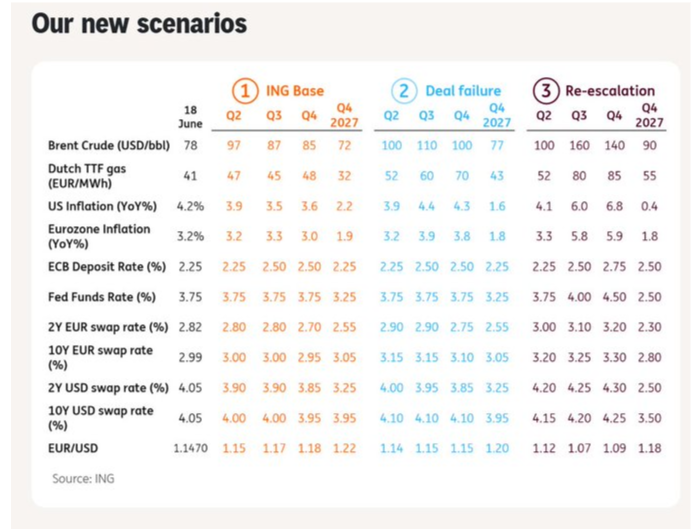
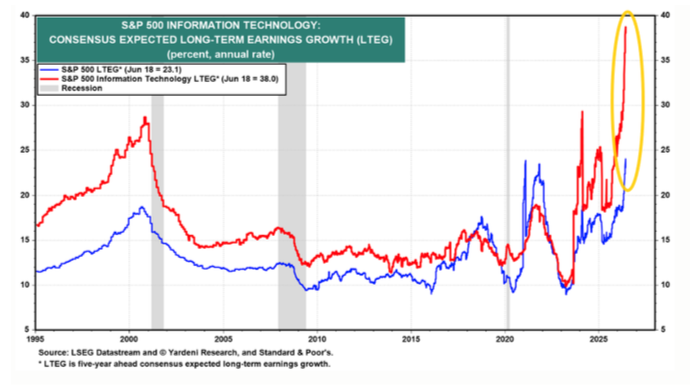
Corporate earnings remain one of the strongest pillars supporting equities. Long-term earnings expectations continue improving, extending one of the strongest revision cycles in more than five years. Even so, investors are paying closer attention to the growing contribution that AI-related investment gains are making to technology profits, recognising that sustained earnings growth will remain critical as valuations continue to advance.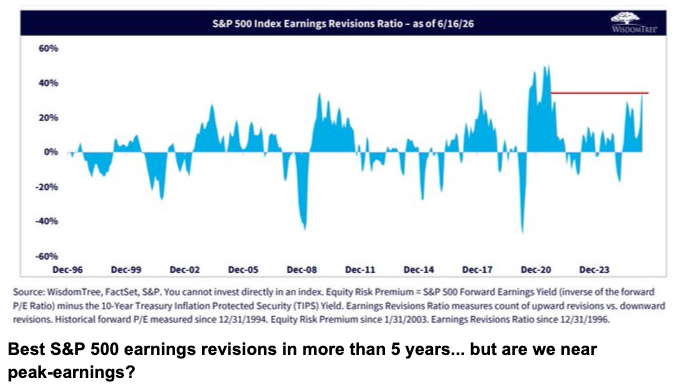
Macro & Policy Watch: Inflation Remains the Priority
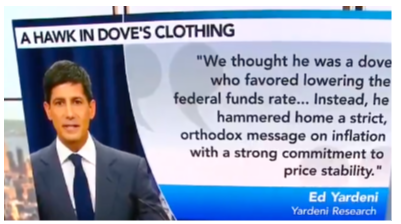
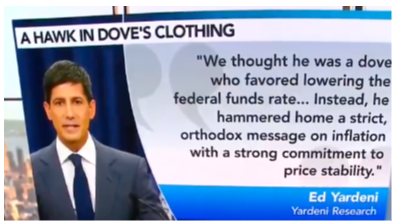
The Federal Reserve delivered one of the week's defining developments as Kevin Warsh's first meeting as Chair reinforced a firmly hawkish stance. Policymakers raised inflation projections, emphasised their determination to prevent inflation expectations from becoming entrenched, and signalled that further tightening remains possible should price pressures persist. Markets have consequently shifted toward pricing a more restrictive policy path than only a few weeks ago.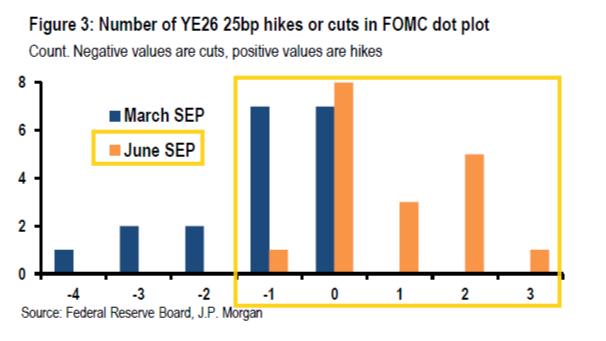
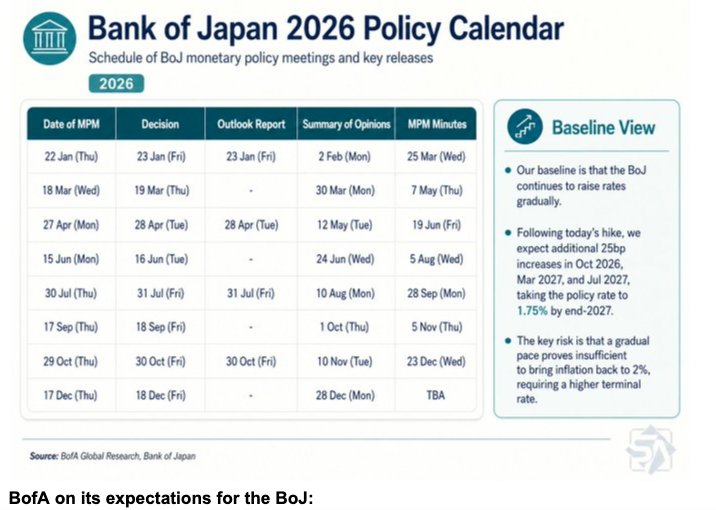
The hawkish shift extends well beyond the United States. The Bank of Japan raised rates to their highest level since 1995 while continuing to signal further gradual tightening, and more central banks globally are now hiking than cutting rates. The message across policymakers remains consistent: inflation continues to take precedence over supporting financial markets.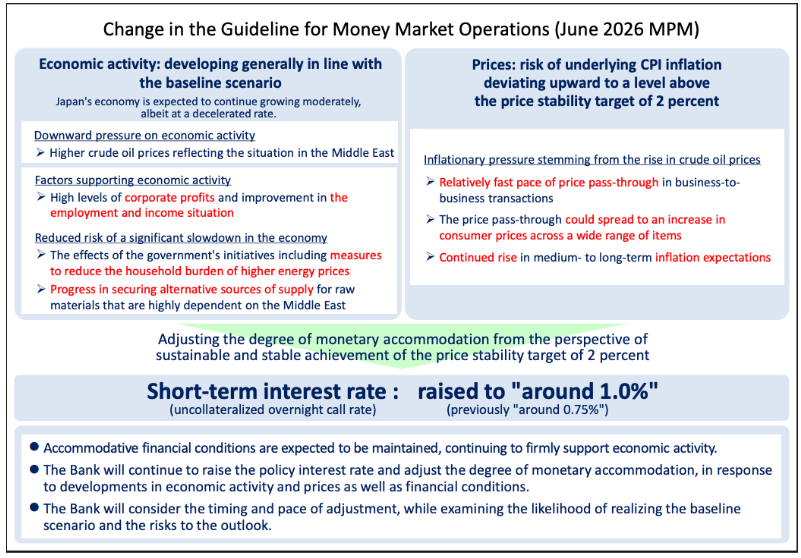
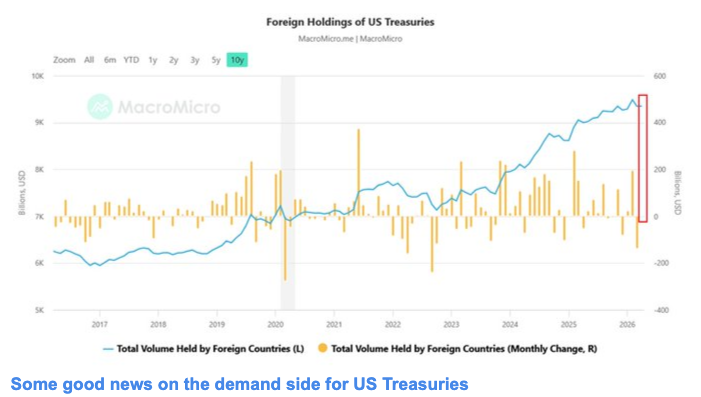
Bond markets are already reflecting that shift in expectations. Two-year Treasury yields have risen sharply, the yield curve continues to flatten, and markets are increasingly adjusting to a higher-for-longer policy environment. At the same time, stronger foreign demand for U.S. Treasuries continues providing an important source of stability despite the more restrictive backdrop.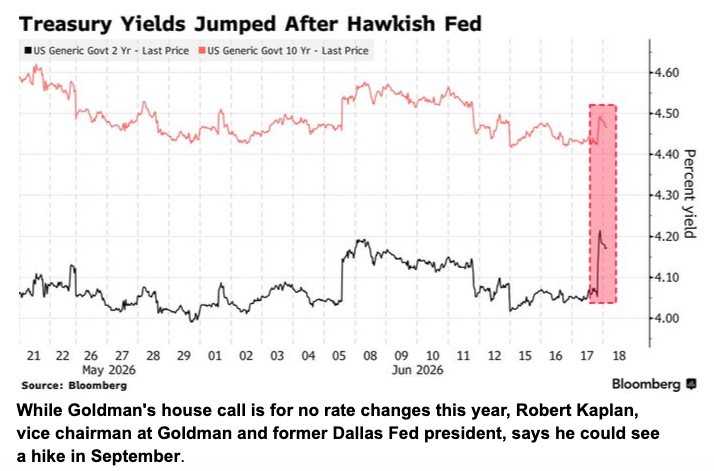
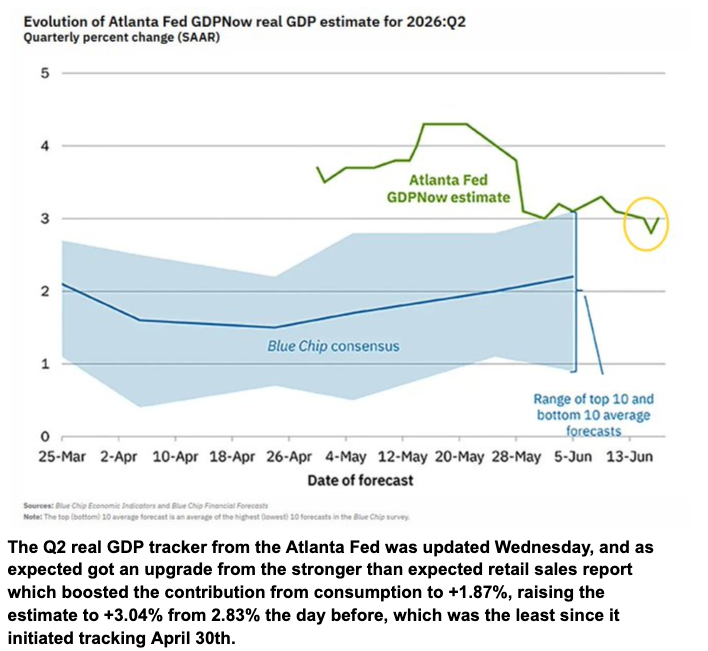
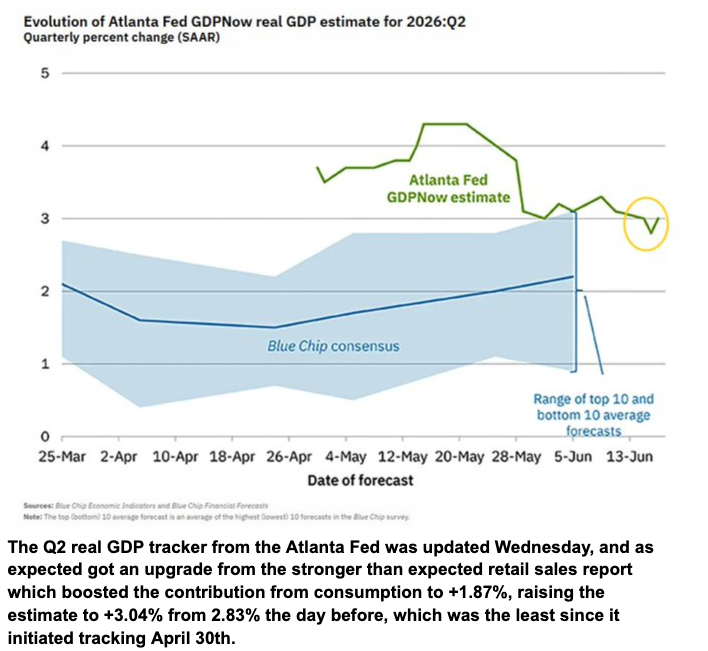
Economic data, however, continues supporting the broader growth narrative. Retail sales remained resilient, the Atlanta Fed's GDPNow estimate strengthened following better consumption data, and economic surprise indices remain firmly positive despite easing modestly from recent highs. Growth continues outperforming expectations even as policymakers work to cool inflation.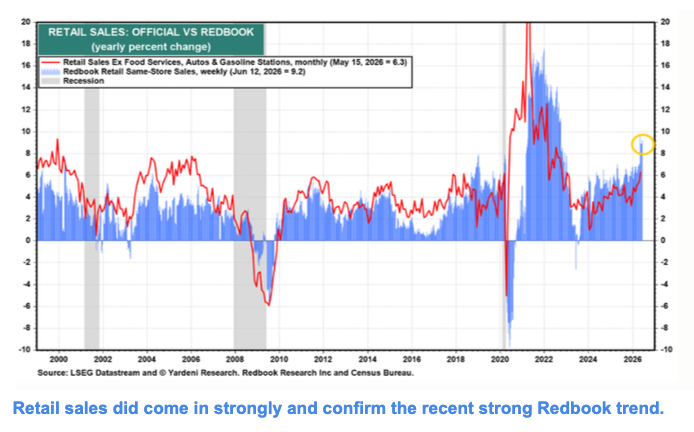
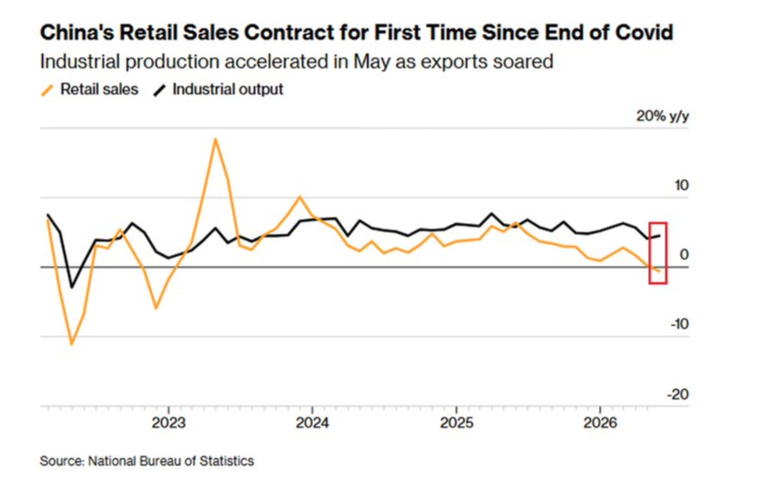
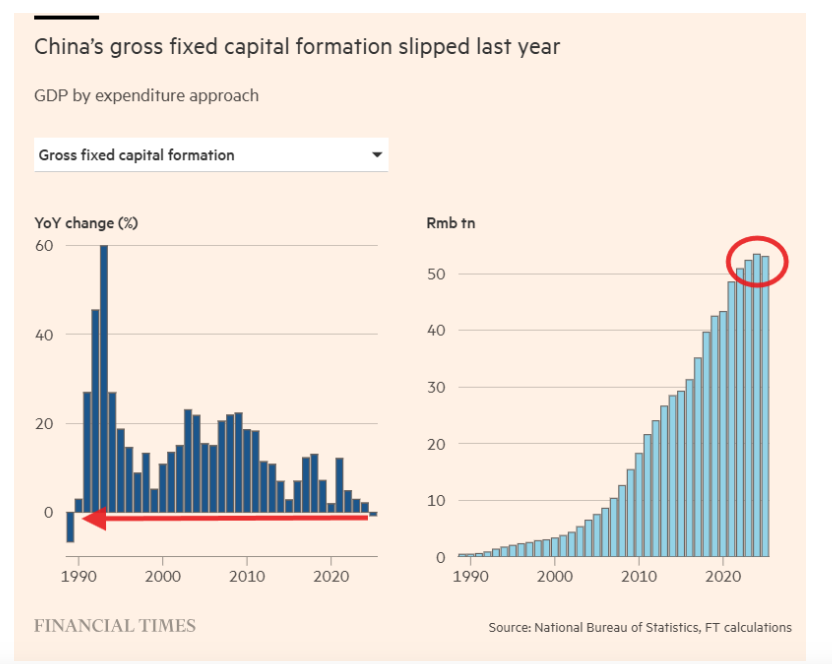
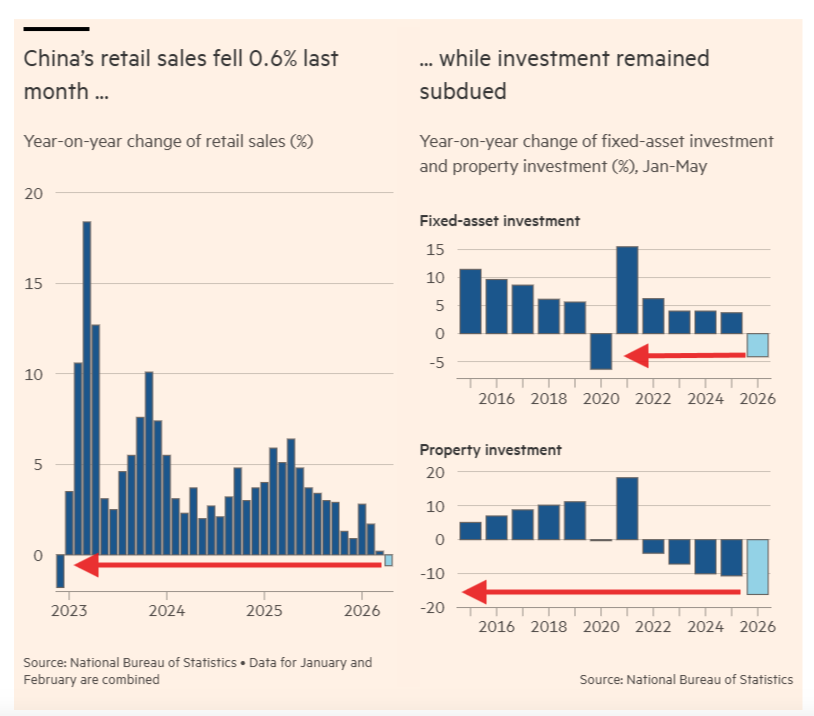
Outside the United States, China's domestic recovery continues losing momentum. Retail sales have weakened, investment activity remains under pressure, and policymakers appear increasingly likely to rely on additional stimulus as export-related industries continue outperforming domestic demand. The contrast between resilient U.S. growth and softer Chinese activity remains an important theme for global investors.
Technical & Sentiment Breakdown: Strong Trend, Tighter Margins for Error
The broader trend remains constructive, with technology continuing to lead global equities despite a more restrictive policy backdrop. Historical market behaviour continues to favour equities when technology outperforms during the first half of the year, while the continued underperformance of defensive sectors suggests investors have not yet shifted into a risk-off mindset.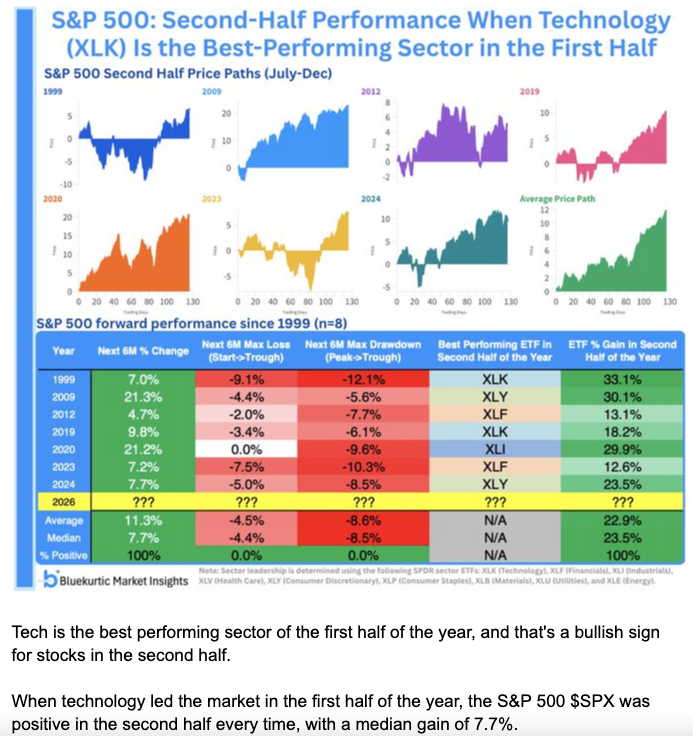
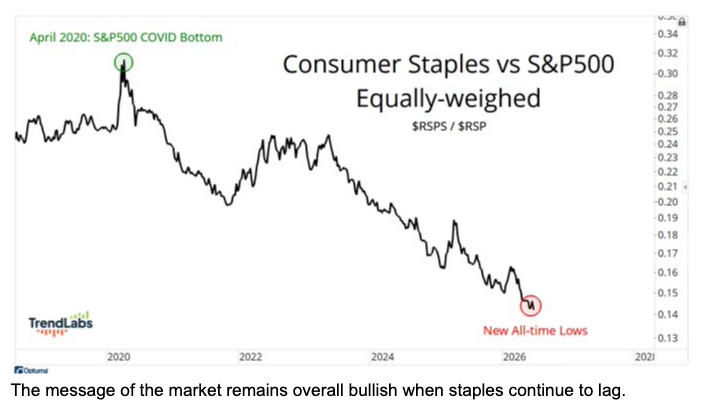
That said, market participation is becoming less convincing beneath the surface. Breadth remains relatively weak, with fewer stocks driving index performance even as the major averages continue making new highs. Quarter-end rebalancing flows also present an additional headwind after the strong rally since March.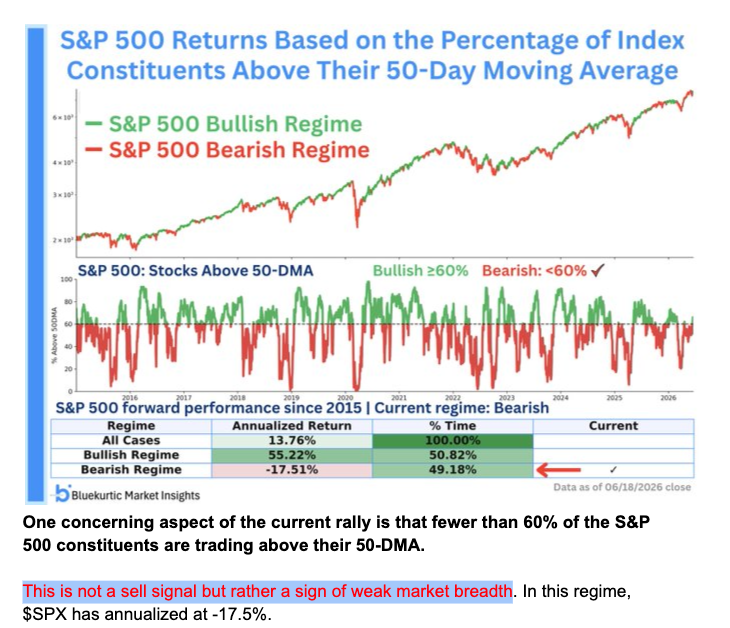
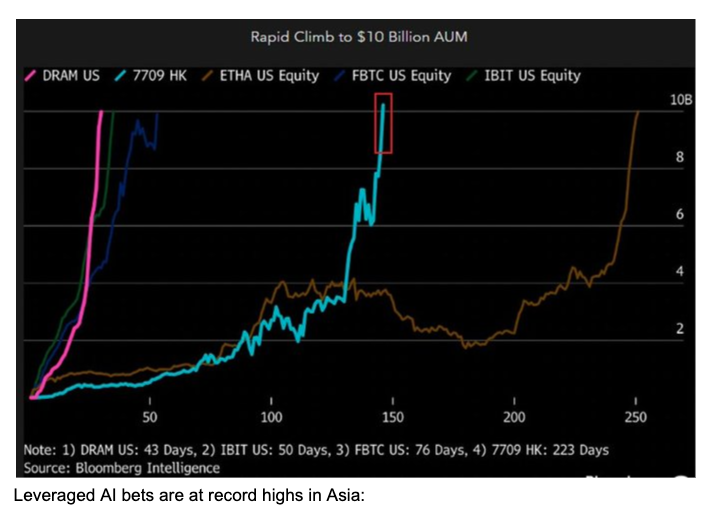
Investor positioning remains heavily concentrated around technology and AI. Technology continues attracting strong investor interest, while leveraged AI exposure across Asia has reached unprecedented levels. Although investors continue describing the environment as a "boom" rather than outright "euphoria," positioning has become increasingly crowded.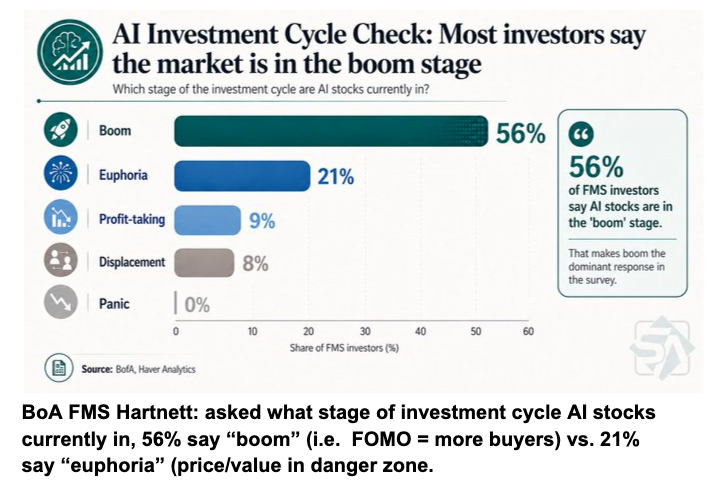
Volatility is also beginning to re-emerge beneath the surface. Demand for downside protection has increased as put buying returns, realised volatility has started exceeding implied volatility, and liquidity conditions are becoming tighter. None of these developments signals an immediate reversal, but they suggest markets are becoming more sensitive to unexpected disappointments.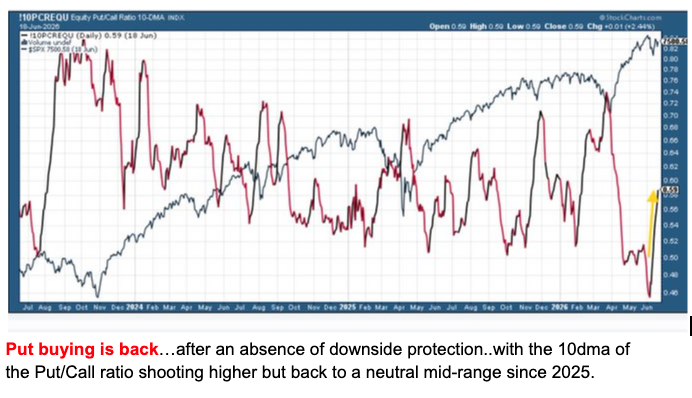
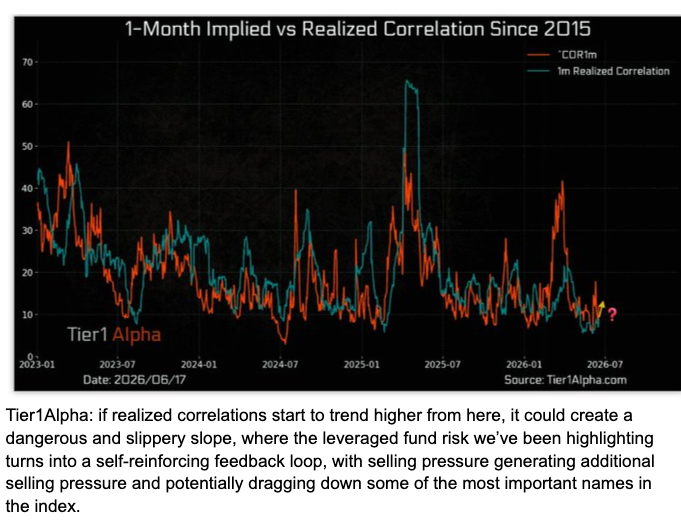
The positioning backdrop has become increasingly mixed. Retail investors continue deploying record levels of capital into options markets, while hedge funds have started increasing short exposure after several weeks of buying. Rather than reducing long technology positions, many appear to be financing those trades through shorts elsewhere, leaving the overall structure supportive but increasingly dependent on positive news flow.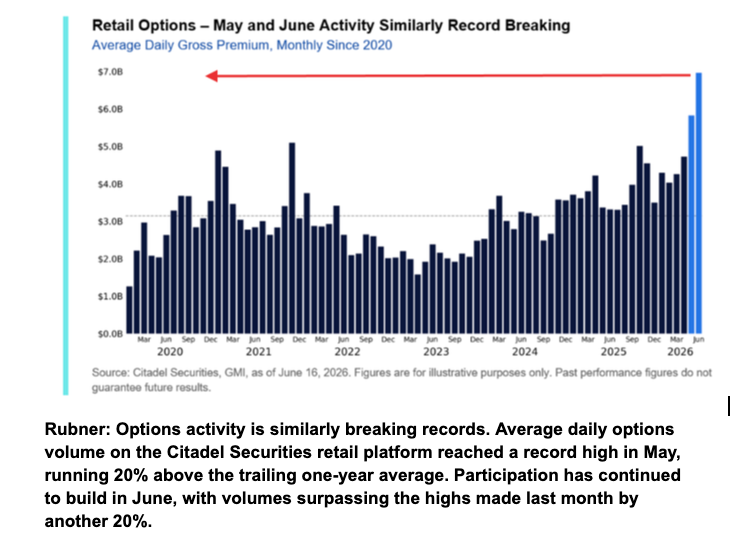
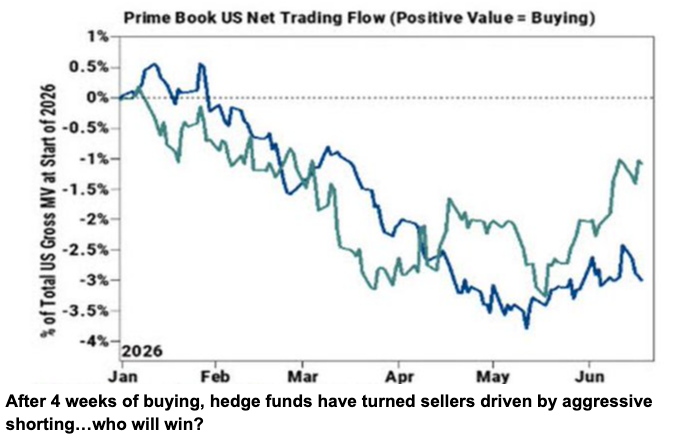
Overall, the primary trend remains intact, supported by earnings momentum, technology leadership and resilient economic growth. However, tighter liquidity, concentrated positioning, weaker breadth and rising volatility suggest the market is entering a phase where discipline may become increasingly important.
Last Week's Recap: Hawkish Policy Meets Resilient Markets
Despite a more hawkish tone from central banks and continued geopolitical uncertainty, global markets remained resilient. Strong economic data, improving earnings expectations, and persistent AI enthusiasm continued supporting risk assets, although several indicators pointed to increasingly crowded positioning beneath the surface.
Key Highlights
- Macro:
Markets spent much of the week adjusting to a more restrictive policy outlook following the Federal Reserve meeting. Kevin Warsh's hawkish debut, higher inflation projections and expectations for further rate hikes pushed Treasury yields higher and reinforced the view that the global easing cycle has largely come to an end. Stronger retail sales and an upgraded Atlanta Fed GDPNow estimate further reinforced confidence in resilient economic growth.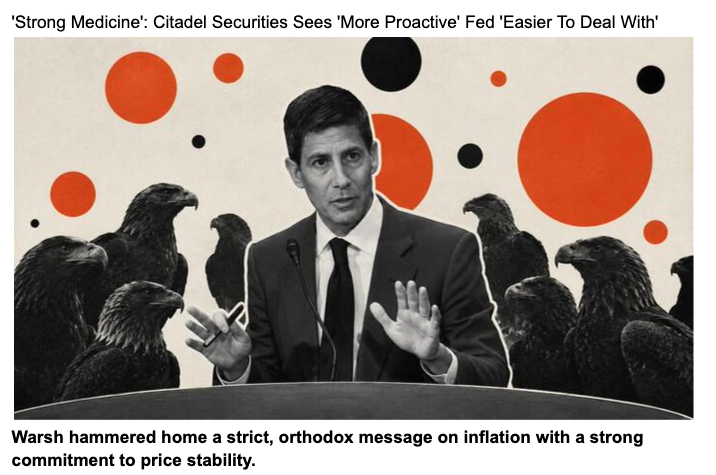
- China:
China's domestic economy continued losing momentum as retail sales, investment and broader activity weakened. While exports remained relatively resilient, domestic demand continued to disappoint, reinforcing expectations for additional policy support.
- Earnings:
Forward earnings expectations continued improving, particularly across technology, while broader earnings momentum remained constructive. Markets also continued monitoring the growing contribution of AI-related investment gains to reported technology profits.
- Commodities:
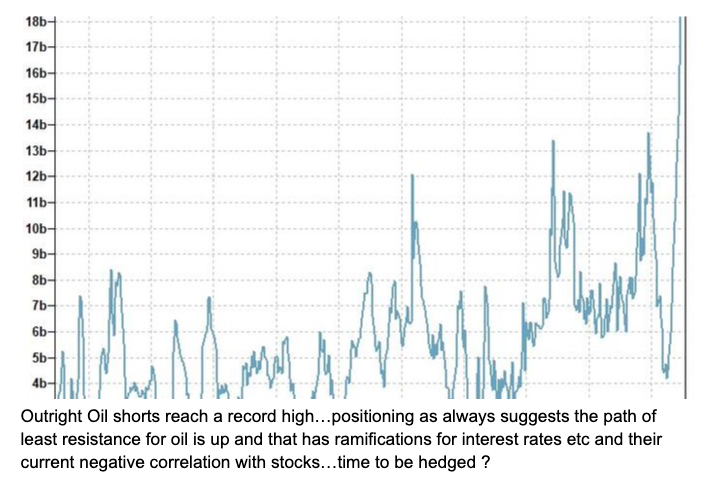
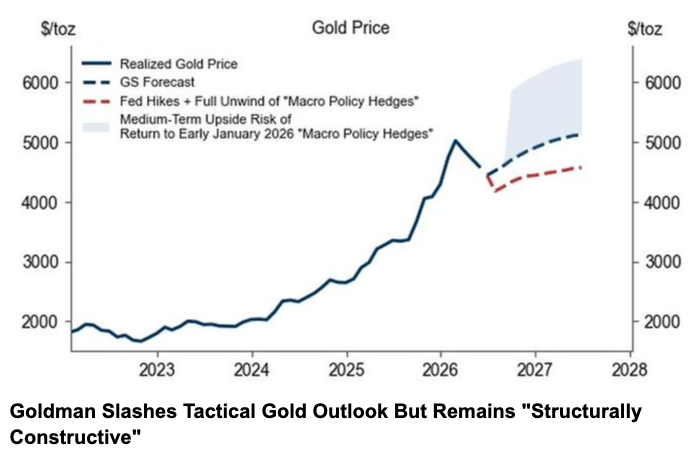
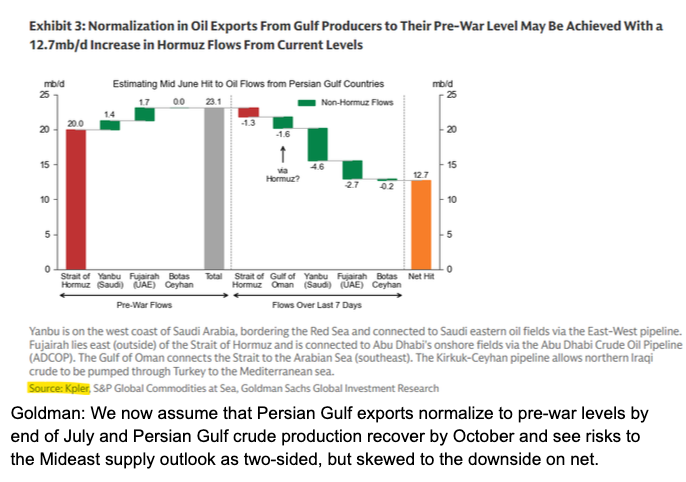
Oil prices remained subdued as markets priced a gradual normalisation in Middle East supply, although record short positioning leaves the market vulnerable to a squeeze if geopolitical risks escalate. Gold's tactical outlook weakened while its longer-term structural outlook remained constructive as speculative positioning continued to ease.
- Crypto:
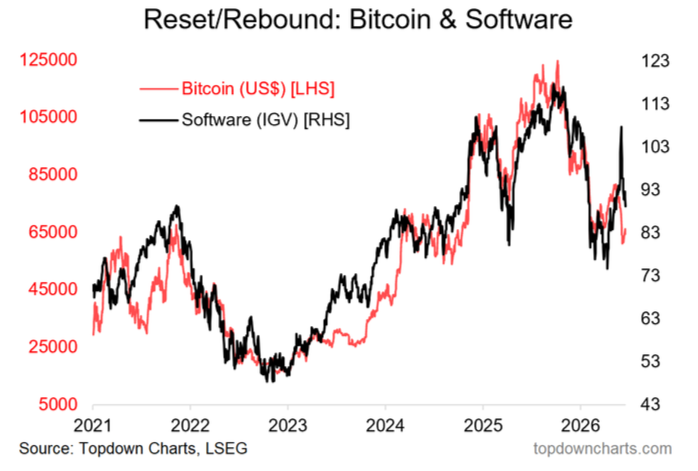
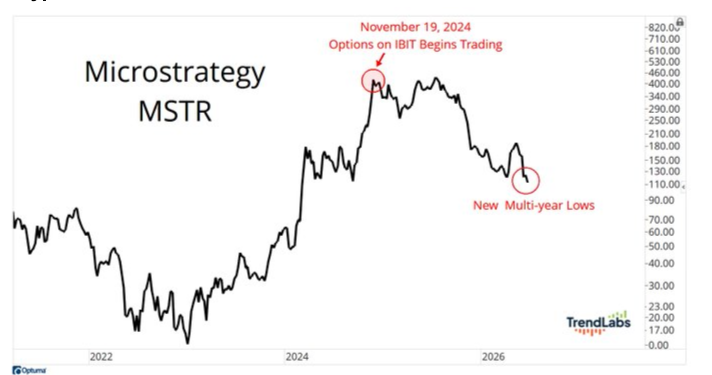
Bitcoin continued consolidating as options markets played an increasingly important role in price discovery, while software and crypto remained relatively unloved.
- Oil:
Despite easing geopolitical concerns, the energy market remains highly sensitive to Middle East developments. While expectations continue to favour increased supply and softer prices, positioning remains heavily skewed toward further downside, leaving room for renewed volatility if negotiations deteriorate.
The Week Ahead: Key Data and Market-Moving Signals
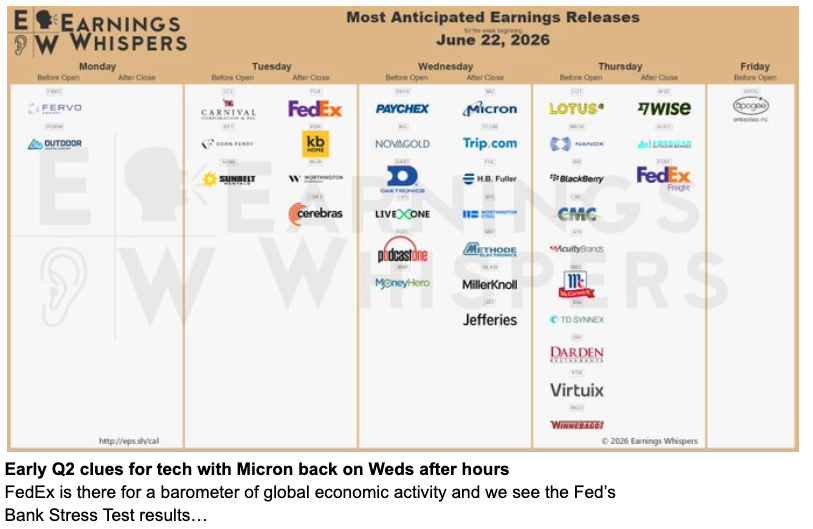
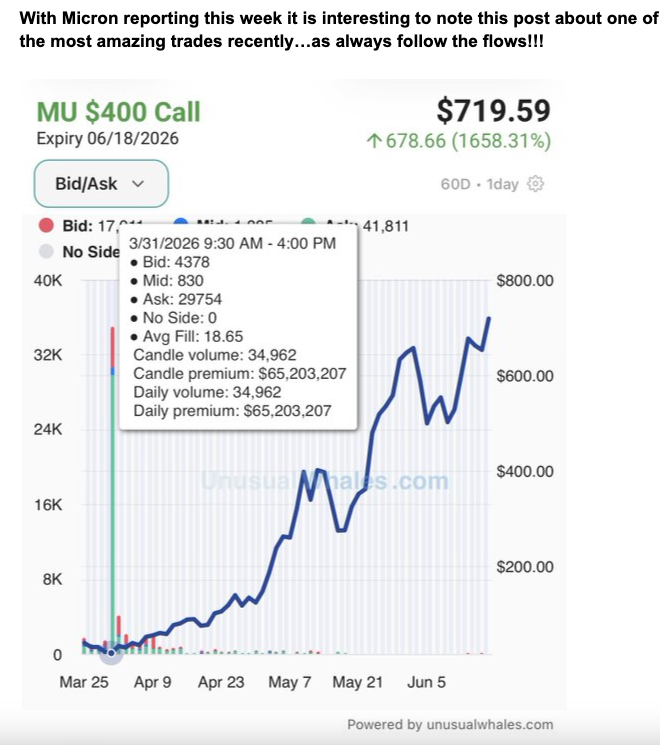
The week ahead shifts the focus toward fresh evidence on economic momentum, inflation, and the health of the technology cycle. Global flash PMIs will provide the first meaningful read on second-quarter activity, while Micron's earnings are expected to offer early clues on AI-driven semiconductor demand. Investors will also closely monitor the Federal Reserve's Bank Stress Test results, Tokyo CPI, and a busy calendar of central bank speakers as markets continue adjusting to a more hawkish policy backdrop.
Monday, June 22
- CN: Loan Prime Rates (1-Year & 5-Year)
- CA: CPI
- EU: Consumer Confidence
- US: 3-Month & 6-Month Treasury Auctions
- US: Fed Governor Waller Speaks
- EU: ECB President Lagarde Speaks
Tuesday, June 23
- Global: Flash Manufacturing & Services PMIs
- US: Richmond Fed Manufacturing Index
- US: M2 Money Supply
- US: API Crude Oil Stocks
- US: 2-Year Treasury Auction
- EU: ECB Lane Speaks
- UK: BoE Taylor Speaks
- CA: BoC Governor Macklem Speaks
Wednesday, June 24
- DE: Ifo Business Climate Index
- US: New Home Sales
- US: Building Permits
- US: 5-Year Treasury Auction
- US: Fed Bank Stress Test Results
- US: Micron Q3 Earnings
- JP: BoJ Summary of Opinions
Thursday, June 25
- US: Final Q1 GDP
- US: Core PCE Inflation
- US: Durable Goods Orders
- US: Personal Income & Spending
- US: Initial & Continuing Jobless Claims
- US: 7-Year Treasury Auction
- US: Fed Williams Speaks
- US: Fed Goolsbee Speaks
Friday, June 26
- JP: Tokyo CPI
- JP: Tokyo Core CPI
- US: Michigan Consumer Sentiment
- US: Michigan 1-Year Inflation Expectations
- US: Michigan 5-Year Inflation Expectations
- US: Goods Trade Balance
- US: Wholesale Inventories
- US: Retail Inventories (Ex Auto)
- CA: Wholesale Sales
- IN: M3 Money Supply
- Markets: Quarter-end positioning and rebalancing remain in focus.
Alpha Takeaway: Constructive, But Less Forgiving
The broader market backdrop remains supportive as resilient economic growth, improving earnings and AI leadership continue underpinning risk assets. However, the environment is becoming increasingly dependent on positioning, policy expectations and liquidity rather than abundant monetary support.
- Equities:
The primary trend remains constructive, but weaker breadth, seasonal headwinds and quarter-end rebalancing suggest gains may become harder to achieve. Strong earnings continue providing support, although leadership remains concentrated.
- Gold & Silver:
Gold's long-term structural outlook remains constructive despite a softer tactical view. Precious metals remain sensitive to evolving rate expectations and investor positioning, even as the recent pullback reflects easing speculative demand.
- Crypto:
Bitcoin continues consolidating as options markets increasingly influence price discovery. While sentiment remains cautious, positioning and broader technology leadership will likely remain important drivers.
- Macro:
Central banks have reasserted inflation as the primary policy objective. As liquidity becomes more restrictive, incoming economic data will play an increasingly important role in determining whether markets can extend the current rally.
The broader trend continues to favour risk assets, but the margin for error is narrowing. As policy tightens and positioning becomes more crowded, maintaining discipline and following the evolving macro backdrop may prove just as important as participating in the prevailing trend. Tighter liquidity, crowded positioning and a more hawkish policy backdrop leave markets increasingly dependent on resilient earnings and continued economic strength… Trade Carefully!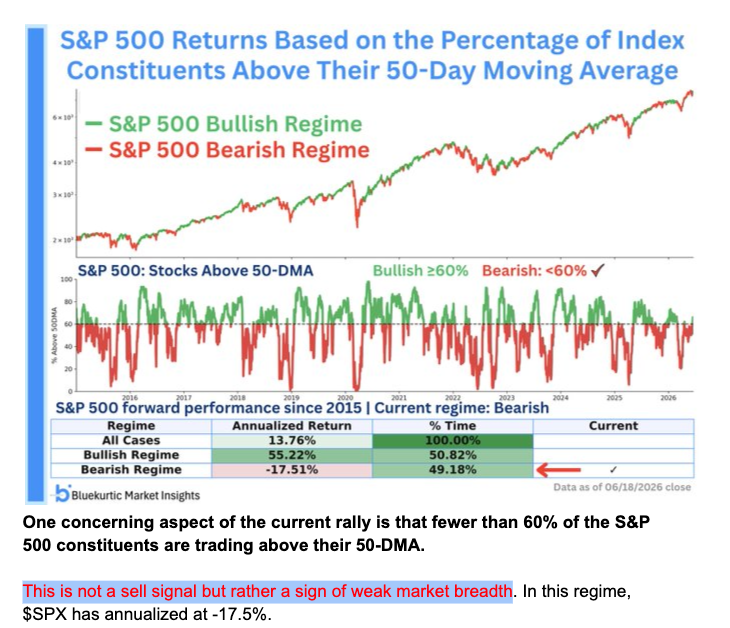
CTA: https://docs.google.com/document/d/1jGVoJ5o7jsWDHf68OmWYBU6udSUwpBK-2S07-pbWRnc/edit?usp=sharing


